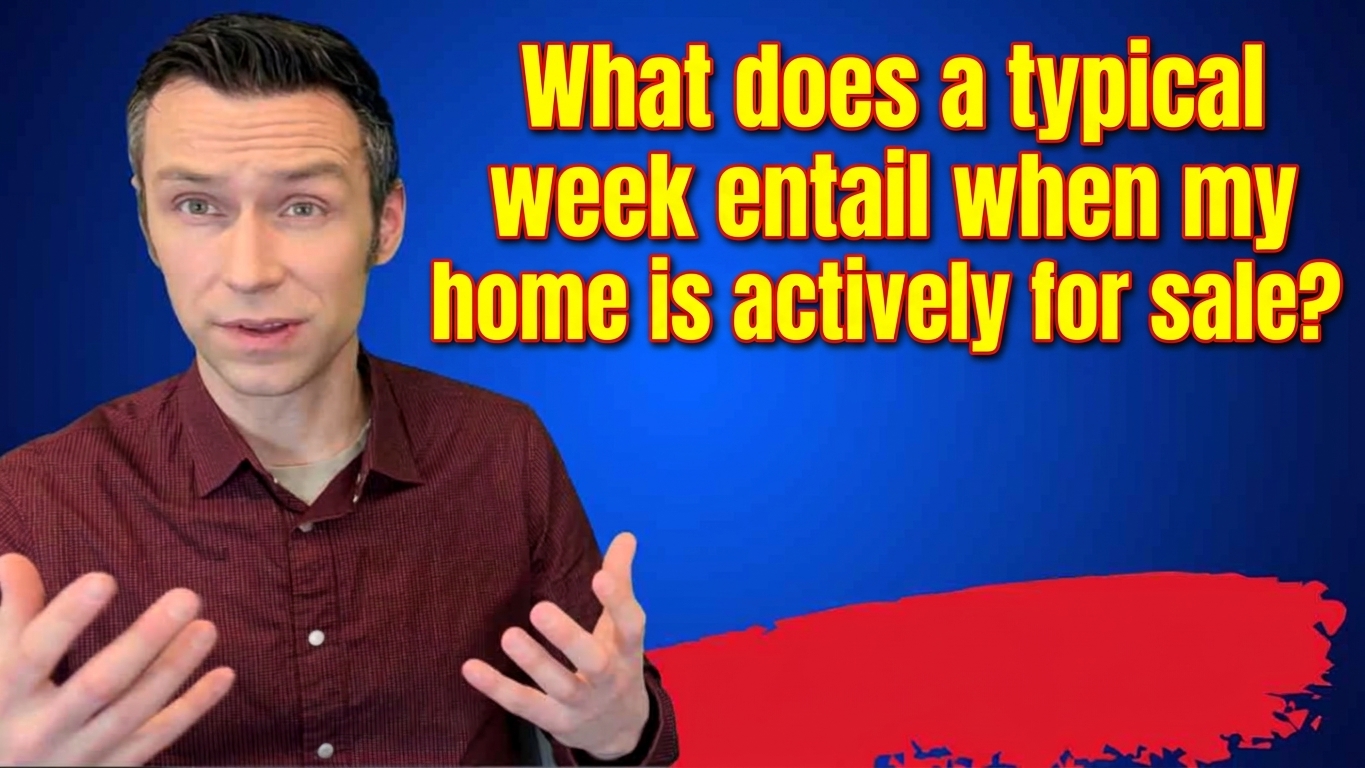
Stress-Free Home Selling in Edmonton: How to Sell Smart & Live Better in 2026
The thought of selling your home often conjures images of endless disruptions: constant cleaning, impromptu showings, strangers traipsing through your personal space, and the general upheaval of daily life. For many Edmonton homeowners considering a move in late 2026 or planning for 2027, this concern isn't just a minor inconvenience; it's a significant barrier. You love your home, your routine, and your neighbourhood, and the idea of sacrificing your comfort for an extended period can be daunting. But what if I told you that successfully selling your home doesn't have to mean putting your life on hold? What if there's a strategic, client-centric approach that minimizes disruption while still achieving top value in Edmonton's dynamic real estate market?
As your dedicated Edmonton REALTOR®, Derek Keet, I understand these concerns deeply. My goal is not just to sell your home, but to guide you through a process that respects your lifestyle, your time, and your peace of mind. This comprehensive guide will explore practical strategies, expert insights, and the distinct advantages of working with a REALTOR® who prioritizes your well-being, proving that a successful sale and a tranquil daily life aren't mutually exclusive.
The Foundation of a Smooth Sale: Strategic Preparation, Not Overwhelm
The first step to a stress-free sale begins long before a "For Sale" sign ever graces your lawn. It's about smart, targeted preparation that maximizes appeal without demanding an overhaul of your entire life. Think efficiency and impact, not endless tasks.
Decluttering with Purpose: Creating Space, Not Emptying It
Many sellers feel they need to pack away everything, but effective decluttering is about creating an inviting atmosphere, not a sterile one. Focus on:
- Personal Items: Family photos, unique collections, and excessive decor. These make it harder for potential buyers to envision themselves in the space. Store them away.
- Countertops and Surfaces: Clear kitchen counters, bathroom vanities, and bedside tables. Less clutter translates to a feeling of more space and cleanliness.
- Closets and Storage Areas: Buyers often peek into closets. Ensure they’re organized and not overflowing, suggesting ample storage.
- Unused Furniture: If a room feels cramped, consider temporarily storing or moving a piece of furniture to open up the space.
The goal isn't to live in an empty box, but to present a clean, spacious, and neutral canvas. We can identify key areas together that will make the most impact.
Targeted Improvements: ROI-Focused, Not Renovation Overload
Nobody wants to spend a fortune on improvements for a house they're leaving. The key is strategic, high-impact fixes:
- Fresh Coat of Paint: Neutral colours can dramatically brighten a space and appeal to a wider audience. It's one of the highest ROI improvements.
- Minor Repairs: Fix dripping faucets, sticky doors, loose handles, and damaged light fixtures. Small imperfections signal neglect to buyers.
- Curb Appeal: Power wash the exterior, tidy up landscaping, trim bushes, and ensure the front entrance is inviting. First impressions matter immensely in Edmonton's competitive market.
- Deep Cleaning: A professionally deep-cleaned home is non-negotiable. It conveys care and pride of ownership.
I can help you prioritize these tasks, identifying what truly adds value and what might be an unnecessary expense, ensuring your efforts are focused and efficient.
Professional Photography & Presentation: Let the Experts Handle the Shine
Once your home is prepared, the heavy lifting of presentation falls to me. Professional photography is paramount. High-quality, well-lit photos capture your home's best features and are often the first (and sometimes only) reason a buyer decides to view a property in person. This service is standard with my approach, ensuring your home looks its absolute best online without any effort from you beyond the initial preparation.
Expert Insight: "Don't underestimate the power of 'less is more' when preparing your home. A decluttered, clean, and neutrally painted space allows potential buyers to visualize their own future there, significantly reducing the mental effort they need to make during a showing. This simple approach is far less disruptive than major renovations and often yields a better return on your time and investment."
Navigating Showings with Ease: Respecting Your Daily Life in Edmonton
The prospect of showings is often the biggest source of anxiety for sellers. How do you maintain your routine when your home needs to be showroom-ready at a moment's notice? The answer lies in clear communication, strategic scheduling, and leveraging your REALTOR® to manage the process.
Collaborative Scheduling: You Set the Boundaries
As your REALTOR®, I work with you to establish showing parameters that fit your lifestyle. This isn't a one-size-fits-all approach:
- Designated Showing Hours: We can set specific windows during the day or week when showings are permitted. This allows you to plan your outings, work schedule, or family time without constant interruption.
- Notice Period: We agree on a reasonable notice period for showings (e.g., 2-4 hours). This gives you ample time to tidy up and step out.
- Blocking Off Times: Have a crucial meeting, a child’s nap time, or a dinner party planned? We can block off specific times in the showing schedule to ensure your privacy and peace.
My showing coordination system is designed to provide maximum exposure for your property while minimizing inconvenience for you. My team and I handle all showing requests, communicating directly with other REALTORS® and prospective buyers to ensure a smooth process.
The Strategic Use of Open Houses
Open houses can be an efficient way to showcase your home to multiple potential buyers in a concentrated period, rather than a string of individual appointments. However, they're not always necessary or effective for every property or seller. We'll discuss if an open house makes strategic sense for your specific situation in the current Edmonton market. If we decide it is beneficial, I will fully manage the event, allowing you to simply leave your home for a few hours and return to a secure property.
Minimizing Personal Disruption: Practical Tips for Showings
Once a showing is scheduled, a few simple habits can make the process seamless:
- The "5-Minute Tidy": After living in your home, you'll know the hotspots that need quick attention. A 5-minute dash to fluff pillows, wipe counters, and put away stray items can make a huge difference.
- The "Show Time Kit": Keep a small basket or bin ready for last-minute items – remote controls, chargers, mail, pet toys – that can be easily stowed away before you leave.
- Pets: Make arrangements for pets during showings. Whether it's a friend, family member, or a pet daycare, ensuring they're not present for showings is crucial for both their safety and buyer comfort.
- Lighting and Atmosphere: Before you leave, turn on lights in key areas, open blinds, and consider a subtle air freshener (nothing overpowering) to create an inviting ambiance.
Remember, the short-term effort during showings is a small price for the long-term gain of a successful sale. And with proper planning, it's far less disruptive than you might imagine.
Security and Peace of Mind During Showings
Your security and the safety of your belongings are paramount. During all showings, I ensure the property is secured, and access is strictly controlled through approved showing services. Prospective buyers are always accompanied by a licensed REALTOR®, providing an additional layer of accountability and protection. You can leave your home knowing it's in professional hands.
Maximizing Exposure, Minimizing Effort: Smart Marketing in Edmonton
A successful sale relies on getting your property in front of the right buyers. My comprehensive marketing strategy is designed to achieve maximum reach with minimal input required from you, ensuring your daily life remains largely unaffected while your home actively seeks its new owner.
The Power of the MLS® System: Your Foundation for Reach
The Multiple Listing Service (MLS®) System is the backbone of real estate marketing in Canada. Once your property is listed on the MLS® System, it immediately becomes accessible to thousands of REALTORS® across Edmonton and beyond, as well as millions of potential buyers searching various real estate websites. This broad exposure is non-negotiable for a successful sale, and it's a core component of my service. It ensures your property is seen by virtually every serious buyer and REALTOR® in the market.
Targeted Online Presence: Beyond the Basics
While the MLS® System is fundamental, a robust online presence goes further. Your listing will be prominently featured on dkeet.ca, my professional website, offering another avenue for potential buyers to discover your home. This direct platform allows for a consistent presentation of your property, often with additional details and insights that can capture a buyer's imagination. Leveraging targeted online strategies means your home is reaching the right audience where they spend their time – online – without you needing to lift a finger.
Leveraging My REALTOR® Network and Professional Signage
Beyond digital marketing, I actively engage my network of fellow Edmonton REALTORS®. Often, REALTORS® have clients actively searching for properties that might not yet be publicly listed. Direct communication and awareness within the REALTOR® community can sometimes lead to a quicker sale. Additionally, a professional "For Sale" sign prominently displayed on your property remains a highly effective, localized marketing tool, drawing attention from neighbours, community members, and those driving through your desirable area.
Expert Insight: "Effective marketing is about intelligent reach, not just volume. My approach combines the broad exposure of the MLS® System with targeted online and offline strategies. This ensures your home gets noticed by serious buyers efficiently, allowing you to focus on your life while I focus on selling your home."
The Derek Keet Difference: Uncompromised Service, Unbeatable Value in Edmonton
Now, let's address one of the most significant advantages of partnering with me, Derek Keet, at One Percent Realty: our transparent and highly competitive commission structure. Many homeowners mistakenly believe that a lower commission means a compromise on service or a less effective sale. With One Percent Realty, that couldn't be further from the truth. My commitment is to provide full, dedicated REALTOR® service while saving you thousands of dollars, directly contributing to a less stressful and more financially rewarding selling experience.
One Percent Realty’s Posted Commission Rates: Clear, Simple, and Smart
Our commission structure is straightforward and designed to put more money back into your pocket, without cutting corners on service:
- For My Service (Selling REALTOR®): You pay 1% of the selling price, with a minimum fee of $5,000.
- For the Buyer’s REALTOR®: We recommend offering an additional 1% of the selling price, also with a minimum fee of $5,000.
- Plus GST: Goods and Services Tax applies to the total commission.
It’s important to note that, as with all real estate commissions in Alberta, these rates are negotiable. However, our posted rates are already a fraction of what many traditional brokerages charge, offering substantial savings.
Debunking the Myth: Lower Commission Does NOT Mean Lower Service
This is where the Derek Keet and One Percent Realty advantage truly shines. I am often asked, "If you charge less, do you provide less service?" My answer is an emphatic NO. You receive exactly what you would expect from any full-service, dedicated REALTOR®:
- Expert Market Analysis & Pricing Strategy: I provide an in-depth comparative market analysis (CMA) to help you accurately price your home for the Edmonton market in 2026/2027, ensuring you attract serious buyers and achieve top dollar without overpricing or underpricing.
- Professional Photography: As mentioned, high-quality photos are non-negotiable for online appeal. This is always included.
- Full MLS® System Exposure: Your home is listed on the MLS® System, ensuring maximum reach to all REALTORS® and buyers across the country.
- Targeted Online Marketing: Your property will be featured on dkeet.ca and other relevant platforms to attract qualified buyers.
- Professional Yard Signage: Local visibility is key.
- Showings Management: I handle all showing inquiries, scheduling, and feedback, coordinating directly with other REALTORS® to minimize disruption to your schedule.
- Expert Negotiation: My primary role is to negotiate on your behalf to secure the best possible price and terms for your sale. This requires keen market insight and robust communication skills.
- Ongoing Communication & Guidance: From listing to closing, I keep you informed every step of the way, answering your questions and guiding you through the process, ensuring you understand each stage without feeling overwhelmed.
- Professional Resources: From property inspectors, mortgage brokers, movers to lawyers, we have a trusted network of referrals that can make everything go smoothly.
Real Savings, Real Impact on Your Lifestyle
Consider the significant financial impact of our commission structure. On an average Edmonton home sale, these savings can amount to thousands, even tens of thousands of dollars, compared to traditional higher commission models. These savings aren't just numbers on a page; they translate directly into:
- Reduced Financial Stress: More equity in your pocket means less worry about your next down payment, moving costs, or adjusting to a new mortgage.
- Flexibility: Extra funds can provide flexibility for any unexpected moving expenses, minor home touch-ups in your new place, or simply a buffer as you settle in.
- Peace of Mind: Knowing you're getting full service without overpaying contributes immensely to a more positive and less stressful selling experience.
My commitment is to make the selling process as efficient, transparent, and financially advantageous for you as possible, proving that you can indeed sell your home without unnecessary disruption to your lifestyle or your wallet.
Seamless Transactions: From Offer to Keys with Expert Guidance
The journey from receiving an offer to finally handing over the keys can be complex, involving multiple parties and legal considerations. However, with an experienced REALTOR® like myself at your side, this crucial phase is managed with precision, minimizing your direct involvement and potential for stress.
Expert Negotiation: Securing Your Best Outcome
Once an offer comes in, my expertise in negotiation becomes your most valuable asset. I meticulously review all terms and conditions, advise you on the strengths and weaknesses of the offer, and strategize counter-offers to ensure you achieve the best possible price and terms. My goal is always to protect your interests and maximize your return, handling all communications and discussions with the buyer's REALTOR® on your behalf. This shields you from the direct back-and-forth, allowing you to make informed decisions without the emotional weight of direct negotiation.
Navigating Conditions and Contingencies
Most offers come with conditions, such as financing approval, a satisfactory home inspection, or the sale of the buyer’s current home. Managing these conditions effectively is critical. I meticulously track timelines, coordinate access for inspectors or appraisers, and ensure all conditions are met or waived appropriately. This proactive management prevents delays and ensures the transaction stays on track toward a firm sale. You don't need to worry about the intricate details; I manage the process, providing you with clear updates and guidance as needed.
Professional Resources: Your Trusted Network for a Smooth Transition
Selling a home involves more than just a REALTOR®. It often requires the expertise of various professionals. One of the ways I simplify your selling journey and minimize disruption is by providing access to my trusted network:
- Property Inspectors: Crucial for ensuring buyers are comfortable with the home's condition.
- Mortgage Brokers: For buyers needing financing or for your own next purchase.
- Lawyers: Essential for handling all legal aspects of the property transfer, reviewing documents, and ensuring a clean title.
- Movers: Reputable moving companies to help with your transition.
- Tradespeople: Referrals for any last-minute repairs or renovations you might need before closing.
This network of professional resources is invaluable. Instead of you having to research and vet various service providers, I can connect you with trusted partners who uphold high standards of service, further streamlining the process and reducing your stress. We have a trusted network of referrals that can make everything go smoothly.
Expert Insight: "The period between offer acceptance and closing can feel like a waiting game, but it's where meticulous coordination makes all the difference. My role is to be your vigilant guide, anticipating potential hurdles and proactively managing all the moving parts, so you can relax knowing your transaction is progressing smoothly and securely."
The Closing Process: Handing Over the Keys with Confidence
As the closing date approaches, I work closely with your lawyer and the buyer's REALTOR® to ensure all necessary documentation is prepared and submitted accurately. This includes coordinating final utility readings, possession dates, and any last-minute details. My meticulous attention to detail at this stage prevents any hiccups, ensuring a smooth transfer of ownership. On the day of possession, your keys are handed over, the funds are transferred, and you can officially celebrate the successful sale of your Edmonton home, having navigated the entire process with minimal disruption to your cherished lifestyle.
Your Edmonton Lifestyle, Uninterrupted: A Call to Action
Selling your home in Edmonton doesn't have to be a period of prolonged stress and upheaval. By embracing a strategic approach to preparation, implementing smart showing management, leveraging effective marketing, and partnering with a full-service REALTOR® like myself, Derek Keet, from One Percent Realty, you can navigate the market of late 2026 and beyond with confidence and calm.
My commitment to providing top-tier service at One Percent Realty’s posted commission rates means you don't have to choose between exceptional results and financial savings. You get both. You deserve a selling experience that respects your life, your time, and your financial goals. Let's work together to make your next move in Edmonton as seamless and stress-free as possible.
If you're considering selling your home and want to learn more about how I can help you achieve a successful sale without disrupting your current lifestyle, I invite you to reach out. Let's discuss your specific needs and develop a personalized strategy that works for you.
Derek Keet | One Percent Realty
Edmonton REALTOR®
587-803-0396 | https://linktr.ee/dkeet
Edmonton Real Estate Agent | Helping Homeowners Sell for Top Value
*Savings mentioned are compared with a broker charging 7% on the first $100,000 and 3% on the balance, plus GST. Not all brokers charge the same.